Atlantic Hurricane Season Begins June 1
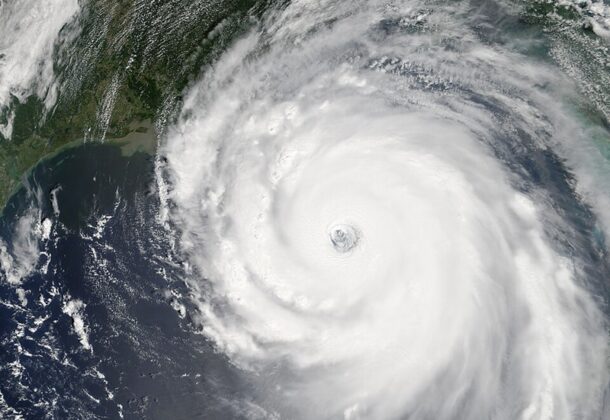
The 2025 Atlantic hurricane season begins June 1. The St. Mary’s Department of Emergency Services is urging residents to be prepared for hurricane and tropical storm activity.
In effort to support community preparedness, the county will provide self-service sandbag pickup for residents from 8am to noon Saturday, May 31, at the St. Andrew’s Landfill at 44837 St. Andrew’s Church Road.
Residents are encouraged to stock up on sandbags now so that they are prepared before a storm strikes the area. Sandbags are not pre-filled and are limited to 10 to 25 bags per person, while supplies last. Community partners and DES also will be onsite distributing free hurricane preparedness supplies and information.
The hurricane season goes through November 30.
Hurricane Preparedness Checklist
- Make emergency kits. A home kit includes a flashlight, batteries, blankets, spare clothing, a battery-operated radio, hygiene supplies, medication, a first aid kit, food that is easy to open and prepare, and clean drinking water. Learn more here.
- Be sure to consider the needs of your family, including infants and children, the elderly, those with functional needs, and pets.
- Have a plan: www.stmaryscountymd.gov/plan.
- Know Your Zone and plan your evacuation route ahead of time. Identify a safe place to go, and a way to get there, if an evacuation is ordered by local officials. Keep your gas tank full in case you need to evacuate quickly.
- Discuss with loved ones how you will communicate before, during, and after a potential emergency or severe weather event.
- Sign up for local emergency notifications here.
Hurricane Preparedness Basics
- Secure or bring indoors all outdoor toys, furniture, and items that could be moved by heavy winds; de-clutter drains and gutters; and consider hurricane shutters.
- Check on your neighbors, friends, and family members, especially if they are elderly and/or have functional needs.
- Bring your pets indoors during severe weather.
- Know where the main valves and switches are for gas, water, and electricity – and ensure someone you trust can operate them in case you need to shut them off.
- Follow the instructions of local emergency management officials.
- Knowing what to do before, during, and after an emergency is a critical part of being prepared and may make all the difference, when seconds count.
Learn more about and prepare for potential emergencies here.