Underground Railroad Network Adds 5 Sites in MD
Five historical sites in Maryland have been added to the National Park Service’s National Underground Railroad Network to Freedom program. Congressman Steny H. Hoyer was joined by US Sens. Chris Van Hollen and Angela Alsobrooks and Reps. Andy Harris and Sarah Elfreth in applauding the announcement.
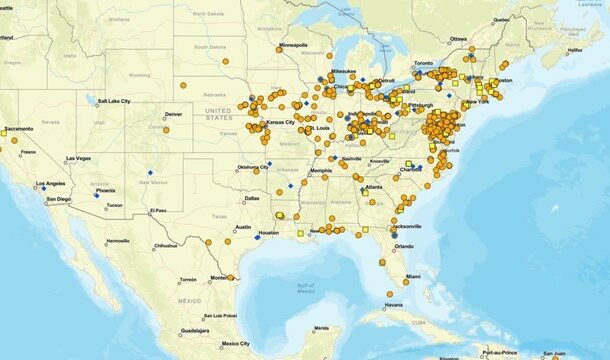
The new listings join more than 800 sites, facilities, and programs already in the network that provide insight into the experiences of those who bravely escaped slavery and those who assisted them, including 92 others located in Maryland.
“Maryland was integral to the Underground Railroad, and the Underground Railroad remains integral to Maryland’s history. I’m pleased the National Park Service is helping us pay tribute to the courageous Black Americans whose path to freedom ran through Maryland. At a time when so many try to whitewash our history, we ought to take pride in what past generations overcame and reflect on how far our nation has come and still has to go,” Congressman Hoyer said.
“During the darkest days of our history, the Underground Railroad – and the men and women who operated it – provided hope and safety to those seeking freedom. The addition of these sites in our state to the National Underground Railroad Network honors the courage and resilience of those who took great personal risk in the fight against slavery – and further solidifies Maryland’s important role in the fight for freedom. Shining a light on these stories ensures future generations can learn from our history – the good and the bad – and inspires us to work toward a more just future for our nation,” Sen. Van Hollen said.
The new historical sites being added to the network in Maryland are:
- Goshen Farm in Annapolis – this farm provided crucial escape routes and refuge for enslaved individuals.
- Isaac Mason Escape Site in Chestertown – in 1846, Isaac Mason escaped his enslavement from this 1830s house, which belonged to the Mansfield family. Mason shared his powerful story of escape on the Underground Railroad in his memoir, “Life of Isaac Mason as a Slave.”
- St. Augustine Church in Chesapeake – from here several enslaved human beings escaped during the British occupation of 1777. Marked on period battle maps, the area was known as a place for freedom seekers, encouraged by British proclamations, fled their enslavers on the patriot side of the Revolution.
- Rich Hill in Bel Alton – this plantation in Charles County was both a site of bondage and resistance. Enslaved individuals escaped from Rich Hill and into freedom intermittently throughout the 1700s and 1800s.
- Susquehanna and Tidewater Canal, Susquehanna State Park in Havre de Grace – this segment of the Susquehanna and Tidewater Canal, now administered by the Maryland Department of Natural Resources, highlights three stories that suggest that enslaved persons used the S&T Canal as a pathway from Maryland to freedom in Pennsylvania.
The National Underground Railroad Network to Freedom serves to honor, preserve, and promote the history of resistance to enslavement through escape and flight, which continues to inspire people worldwide. The network currently represents over 800 locations in 41 states, plus Washington DC, the US Virgin Islands, and Canada. Through its mission, the Network to Freedom helps to advance the idea that all human beings embrace the right to self-determination and freedom from oppression.
Congressman Hoyer is chair of the Regional Leadership Council.
For more information about Rep. Steny H. Hoyer, visit his Leader member page.